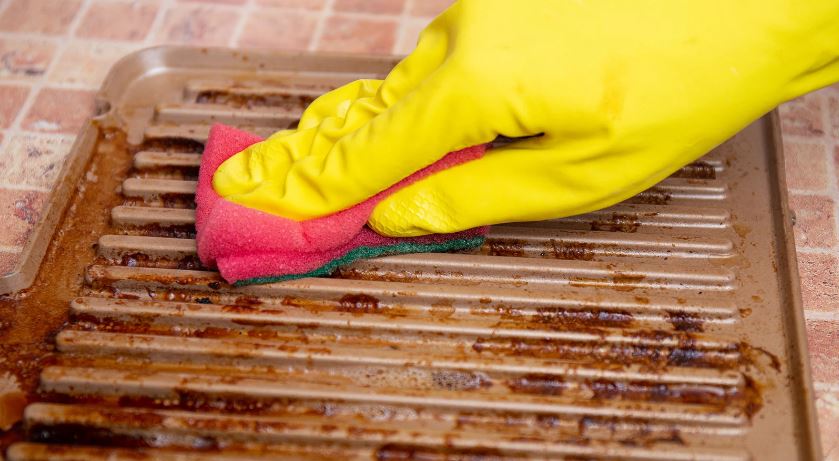
Did you know that a waste disposal unit can grind nearly 20kg of food waste per household annually? This surprising figure highlights the growing importance of maintaining these systems in our kitchens. With waste disposal units now gaining traction in the UK, regular cleaning is essential to keep them functional and odour-free.
An effective way to maintain hygiene and prevent blockages in your kitchen is by dedicating time to cleaning a waste disposal unit at least once a week. Even less frequent users should consider bi-weekly or monthly cleanings to ensure their unit serves them well.
By following simple waste disposal unit cleaning tips, you can prevent food scraps from ending up in landfills, supporting sustainability and keeping your kitchen sanitary. Cleaning a waste disposal unit at home need not be a daunting task with the right approach and regular upkeep.
Understanding Waste Disposal Units
A waste disposal unit is an electrical appliance that sits beneath your kitchen sink, nestled between the drain and the trap. Its primary function is to grind food waste into minuscule particles, making it easier and more environmentally friendly to dispose of waste through the plumbing system. This process is significantly better for the sewage system when compared to the harmful effects of traditional bin disposal, which often culminates in methane gas production.
When it comes to the best practices for cleaning a waste disposal unit, understanding the device’s operation is essential. Routine maintenance ensures your kitchen operations remain smooth and efficient. It is critical to engage in regular garbage disposal cleaning to prevent clogs, odours, and to extend the appliance’s lifespan.
Moreover, a consistent waste disposal maintenance guide should be at hand. Regularly cleaning the unit contributes to a healthier environment by reducing the volume of food waste ending up in landfills. Through conscientious waste disposal unit care, you can mitigate environmental impacts while ensuring improved kitchen hygiene.
The operation of a waste disposal unit is an elegant solution to an age-old problem. By integrating the right cleaning practices and maintenance routines, households can enjoy a more sustainable lifestyle with less environmental footprint.
Preparation Before Cleaning
Before embarking on the task of cleaning a waste disposal unit at home, it’s imperative to take necessary precautions. Ensuring safety and having the correct tools at hand will streamline the cleaning process and contribute to effective outcomes. Follow this waste disposal unit maintenance guide to familiarise yourself with the crucial steps.
Safety Measures
Safety should be of utmost importance when preparing to clean your waste disposal unit. Firstly, disconnect the power source to avoid any accidental operation, which could lead to severe injuries. Confirm that the unit is unplugged or switch off the circuit breaker dedicated to the disposal unit. This step is essential in any guide on how to clean a waste disposal unit.
Tools and Materials Required
Gathering the appropriate tools and materials beforehand can considerably simplify the cleaning process. Below is a list of items you will need for this task:
- Tongs or Pliers: Helpful for removing large pieces of debris without risking hand injury.
- Torch: Provides better visibility inside the unit, assisting in spotting any stuck food particles.
- Scrubbing Brush: Ideal for scrubbing off stubborn residues from the unit’s interior.
- Natural Cleaning Products: Such as baking soda and vinegar, which are effective and environmentally friendly cleaning hacks for a waste disposal unit.
- Commercial Cleaning Agents: Specifically designed for waste disposal units to ensure thorough sanitisation.
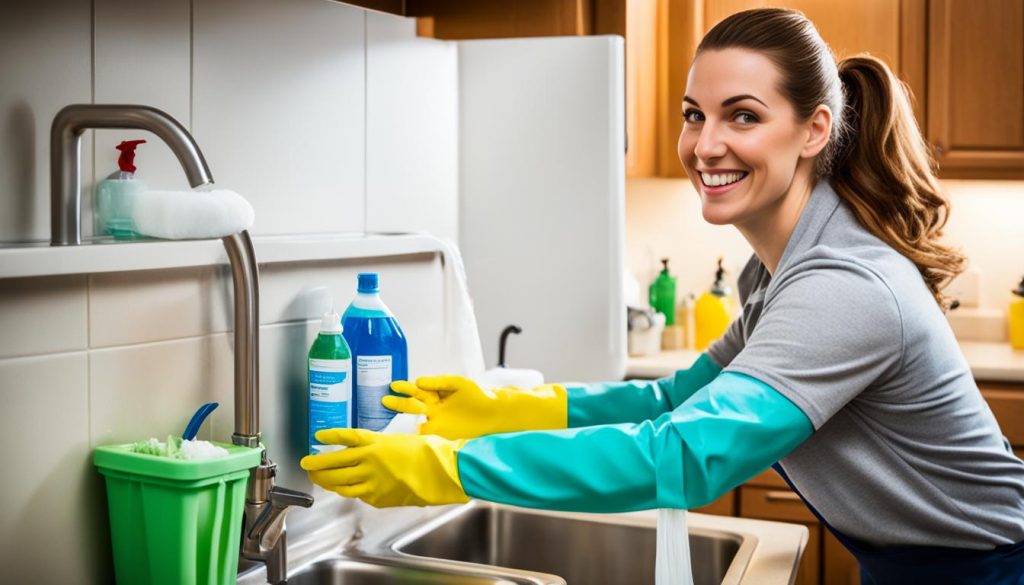
The right combination of these tools and materials, combined with the knowledge from a comprehensive waste disposal unit maintenance guide, ensures that you can clean your unit efficiently and safely. With these preparations, you’re now ready to dive into the next steps of how to clean a waste disposal unit properly.
How to Clean a Waste Disposal Unit?
Keeping your disposal unit clean is crucial for maintaining an efficient and odour-free kitchen. Follow these steps to clean a waste disposal unit effectively and ensure its longevity. Employ these waste disposal cleaning tips weekly for optimal results.
Step One: Cleaning the Splash Guard
Begin by removing and cleaning the splash guard. This component can harbour food particles and bacteria. You can clean it with soapy water or place it in the dishwasher for a more thorough wash.
Step Two: Removing Residue and Stuck Food
Next, use tongs to safely extract any residue and stuck food from the disposal unit. This step is essential for keeping your disposal unit clean and preventing blockages. A torch can help illuminate hard-to-see areas within the unit.
Step Three: Deep Cleaning Methods
For a deep clean, employ methods like grinding citrus peels with ice or using a mixture of baking soda and vinegar. These cleaning tips for waste disposal units not only eliminate odours but also ensure thorough sanitation. For persistent odours, consider commercial cleaning products designed for waste disposal units as an alternative.
Maintenance Practices for Longevity
A well-maintained waste disposal unit can serve you efficiently for many years. Understanding the easy ways to maintain a waste disposal unit involves incorporating daily routines and regular tasks into your kitchen habits. Here are some tried-and-true methods to ensure optimal function and hygiene.
Daily Routines
To keep your waste disposal unit in top condition, it’s advisable to incorporate simple daily routines:
- Run Cold Water: Each time you use the unit, run cold water before, during, and after the disposal process. This helps to solidify any grease, making it easier to chop up and flush through.
- Flush with Water: Post-use, let the water run for a few seconds to ensure all particles are completely washed away, preventing build-up and clogs.
Weekly and Monthly Tasks
Beyond daily care, integrate these weekly and monthly tasks into your waste disposal maintenance guide to maximise efficiency and hygiene:
- Grind Citrus Peels: Citrus peels not only clean the blades but also add a fresh scent to the unit. Do this once a week.
- Ice Cube Cleaning: Grind a few ice cubes monthly to sharpen the blades and remove stuck debris effectively. Add rock salt for an extra cleaning boost.
- Odour Management: Mix hot water with a bit of bleach and run it through the unit. This kills bacteria and removes any lingering odours.
- Use Baking Soda and Vinegar: A monthly deep clean using a mixture of baking soda and vinegar can help tackle stubborn grime and keep the unit sanitised.
By following these waste disposal unit hygiene techniques and integrating them into your routine, you’ll ensure your unit remains in excellent condition, providing peace of mind and a smoothly functioning kitchen.
Foods to Avoid Putting Down Your Waste Disposal Unit
Understanding the waste disposal do’s and don’ts is essential to maintaining a functional and efficient waste disposal unit. One major aspect of waste disposal maintenance is knowing what not to put in waste disposal units to prevent damage and blockages.
Avoid disposing of fats and oils down the waste disposal unit. These substances can solidify and cause clogs in your pipes. Coffee grounds are another item to steer clear of, as they can accumulate and form a thick paste that obstructs water flow.
It’s also best to keep eggshells out of the waste disposal unit. Although they might seem harmless, the membrane inside eggshells can wrap around the grinding elements, leading to mechanical issues. Hard materials such as bones should be avoided since they can damage the blades or cause jams.
Medications should not be disposed of in your waste disposal unit. Not only can they harm your plumbing system, but they can also contribute to environmental pollution. Non-food items like paint must also be kept away from the unit as they can cause severe damage and blockages.
For effective waste disposal maintenance, always use alternative disposal methods for these items. Following the best practices for waste disposal cleaning ensures the longevity and efficiency of your kitchen’s waste management system.
| Items to Avoid | Reason |
|---|---|
| Fats and Oils | Cause clogs and solidify in pipes |
| Coffee Grounds | Thick paste formation, leading to blockages |
| Eggshells | Membrane can wrap around grinding elements |
| Bones | Damage blades and cause jams |
| Medications | Environmental pollution and plumbing issues |
| Paint | Severe damage and blockages |
DIY Cleaning vs. Commercial Cleaning Products
When it comes to ensuring the efficiency and longevity of your waste disposal unit, the cleaning method you choose can make a significant difference. Let’s delve into the pros and cons of DIY cleaning versus commercial cleaning products for maintaining your waste disposal unit. Understanding these methods will help you determine the best approach to keep your kitchen appliance in top shape.
Pros and Cons of DIY Cleaning
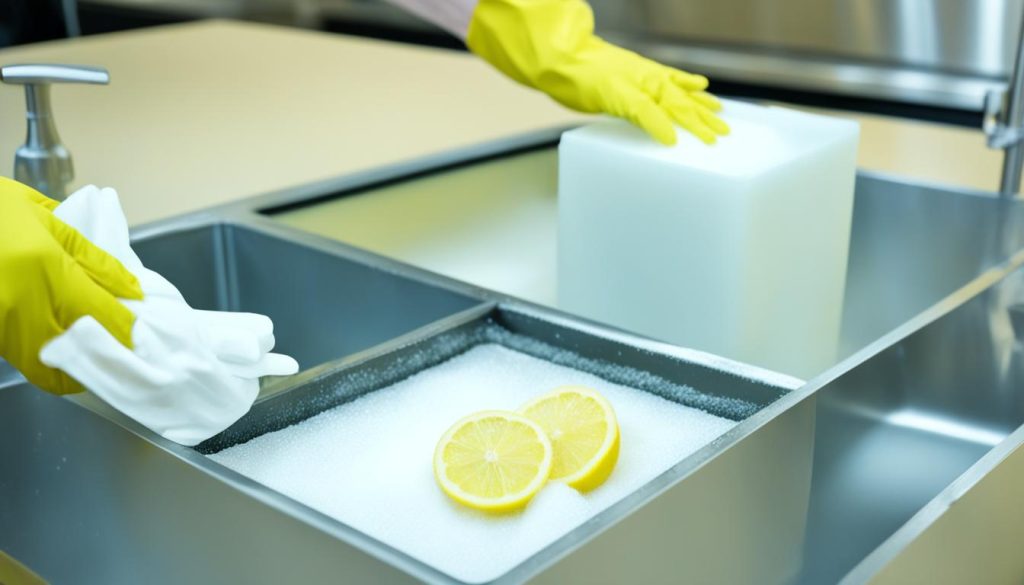
DIY cleaning methods, such as using baking soda, vinegar, and citrus peels, are popular for their effectiveness and eco-friendly nature. These ingredients are readily available and cost-effective.
Pros:
- Gentle on the unit
- Absence of harsh chemicals
- Environmentally friendly
- Cost-effective
Cons:
- May require more frequent cleaning
- Less immediate impact compared to commercial products
Risks of Commercial Cleaners
While commercial waste disposal unit cleaners offer convenience and strong cleaning power, they also carry certain risks. Many products contain chemicals that, although effective at cleaning, can cause long-term damage to your unit and the environment.
Risks:
- Potential corrosion of disposal blades
- Environmental harm due to chemical residues
- Higher cost compared to DIY methods
- Possible health risks from exposure to harsh chemicals
Considering the best practices for waste disposal unit cleaning is essential to make an informed decision between DIY waste disposal unit cleaning and using commercial waste disposal unit cleaners. Both methods come with unique benefits and challenges, and choosing the right one depends on your priorities and circumstances. Whether you favour natural cleaning agents or the quick impact of commercial products, understanding waste disposal unit cleaning methods is pivotal in maintaining your unit’s performance and extending its lifespan.
How to Unblock a Waste Disposal Unit?
Encountering a blocked waste disposal unit can be a common yet frustrating issue in many households. Learning how to efficiently troubleshoot can save you time and possibly expenses.
Identifying the Problem
Starting with the safe approach, ensure the power to the waste disposal unit is turned off. Examine the sink drain for visible blockages or debris. Often, the issue can be a simple jam, but assessing the situation accurately is key to effective waste disposal unit troubleshooting.
Unblocking Methods
Once the problem is identified, use an appropriate method to unblock waste disposal. For a jammed disposal unit, manually rotate the disposal blades using an Allen wrench via the bottom opening. This method often helps in fixing a jammed waste disposal unit. Another effective way might involve the use of a plunger to create suction and dislodge the clog. Cleaning the drain trap regularly can also help prevent recurring issues. Each of these clogged waste disposal solutions is aimed at ensuring your unit operates smoothly.
- Turn off power to the unit.
- Identify the nature of the blockage.
- Use an Allen wrench to rotate the disposal blades.
- Use a plunger to create suction and remove the clog.
- Regularly clean the drain trap to prevent blockages.
By following these steps and maintaining regular checks, you can effectively unblock waste disposal units and keep your kitchen functioning seamlessly.
Environmentally Friendly Disposal Alternatives
Finding sustainable kitchen waste management solutions is essential for a cleaner planet. Several eco-friendly waste disposal options help reduce the environmental impact caused by traditional disposal units. One exemplary method is composting food scraps, turning organic waste into valuable compost for gardening and agriculture purposes. This not only lowers household waste but also enriches garden soil, making it a cornerstone of sustainable kitchen waste management.
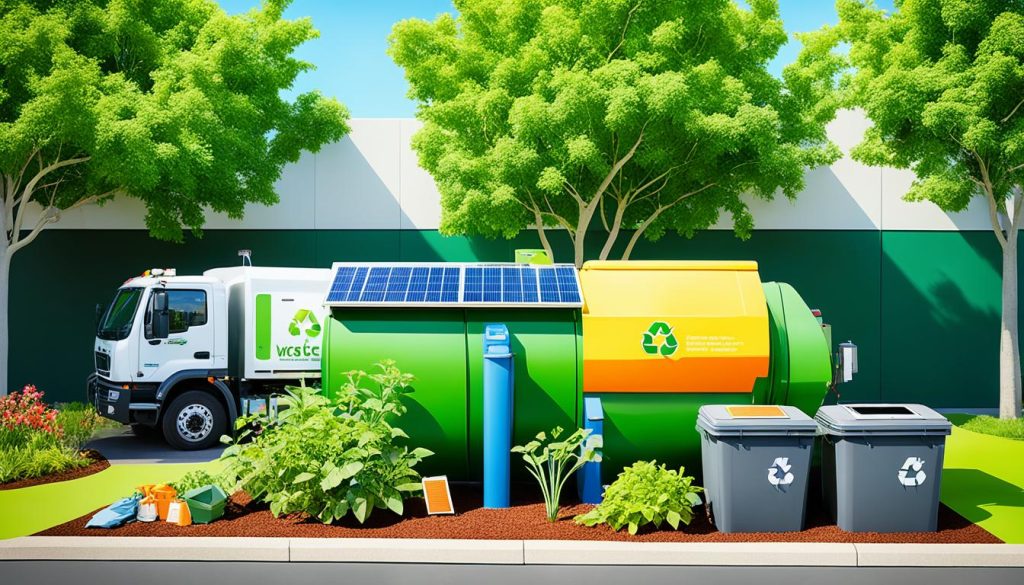
An alternative to waste disposal units involves utilising council-provided food recycling services. These services ensure that food waste is processed into biogas or fertilisers, promoting an eco-friendly waste disposal options approach. By earmarking waste for recycling, households contribute to a more circular economy, significantly cutting down on methane emissions associated with landfills.
Moreover, using waste disposal unit alternatives ensures that fewer resources are allocated to producing and maintaining traditional disposal units. This holistic approach to waste disposal environmentally friendly practices presents a multi-faceted advantage, benefiting both the environment and community health.
| Disposal Method | Environmental Impact | Key Benefits |
|---|---|---|
| Composting | Low | Enriches Soil, Reduces Waste |
| Council Food Recycling | Moderate | Generates Biogas, Reduces Methane Emissions |
| Traditional Waste Disposal Units | High | Convenient but Less Environmentally Friendly |
Importance of Regular Maintenance
Regular maintenance is crucial to the efficiency and longevity of a waste disposal unit. By maintaining a consistent cleaning schedule, you can effectively avoid waste disposal breakdowns and prolong the unit’s lifespan. Regularly inspecting and cleaning your disposal unit helps in keeping a disposal unit in top condition, ensuring smooth and uninterrupted operation.
Failing to perform regular maintenance can lead to clogs and malfunctions, resulting in costly repairs or replacements. The importance of waste disposal maintenance extends to preventing bad odours and ensuring waste disposal efficiency. By avoiding the introduction of unsuitable items such as fats, oils, and fibrous foods, you can further reduce the risk of blockages and maintain optimal performance.
For those looking to keep their disposal unit in top condition, incorporating simple practices into your daily routine is beneficial. Running cold water before and after each use, periodically grinding citrus peels or using ice cubes can prevent residue build-up and deodorise the unit. Such measures not only help in avoiding waste disposal breakdowns but also ensure the efficient operation of the disposal unit, promoting a cleaner and more sanitary kitchen environment.
Conclusion
Maintaining your waste disposal unit is crucial for its optimal performance and extended lifespan. By adhering to regular cleaning routines, you can ensure your kitchen remains sanitary and functional. Consistent care helps in preventing unpleasant odours and mechanical issues, contributing to a smoother kitchen operation.
A comprehensive understanding of your waste disposal unit and implementing best maintenance practices can make all the difference. Incorporating daily, weekly, and monthly tasks such as grinding citrus peels and avoiding the disposal of unsuitable items will keep your unit in prime condition. Additionally, being mindful of what you toss down can prevent detrimental environmental impacts.
To wrap up, a well-maintained waste disposal unit not only preserves its functionality but also supports a hygienic and eco-friendly kitchen environment. Reflecting on this waste disposal unit cleaning guide summary, it’s clear that attentive care and mindful usage are indispensable. Apply these insights regularly for the best results, and you’ll enjoy a seamless kitchen experience.
FAQ
What materials and tools do I need to clean my waste disposal unit?
You will need tongs or pliers, a torch for visibility, a scrubbing brush, and natural cleaning products such as baking soda and vinegar, or commercial cleaning agents designed for disposal units.
How often should I clean my waste disposal unit?
It is recommended to clean your waste disposal unit at least once a week, or less frequently if you use it infrequently. Regular cleaning helps maintain hygiene, prevent blockages, and keep odours at bay.
What are the best methods to clean my waste disposal unit?
Begin by cleaning the splash guard with soapy water or in the dishwasher. Remove any residue and stuck food using tongs, and employ deep cleaning methods like using citrus peels with ice or a baking soda and vinegar mixture to eliminate odours and maintain cleanliness.
Can I use commercial cleaners for my waste disposal unit?
Yes, commercial cleaners offer convenience, but they may contain substances that could cause long-term damage and environmental harm. It’s often recommended to use DIY cleaning methods involving natural materials like baking soda, vinegar, and citrus peels for gentler and safer cleaning.
What should I avoid putting down my waste disposal unit?
Avoid disposing of fats, oils, coffee grounds, eggshells, hard materials like bones, medications, or non-food items like paint. These can cause damage, clogs, and environmental impacts.
How can I unblock my waste disposal unit?
Safely turn off the power and identify issues like jams or clogs. Methods for unblocking include manual rotation using an Allen wrench, plunger action, cleaning the drain trap, and regular maintenance to prevent recurrences.
What are some daily routines to maintain my waste disposal unit?
Running cold water through the unit daily can help prevent buildup. Additionally, grinding citrus peels or using ice cubes weekly or monthly can clean the blades and manage odours.
What are environmentally friendly alternatives to using a waste disposal unit?
Consider composting kitchen waste or using council-provided food recycling services to manage food waste without the use of a disposal unit. These methods reduce methane emissions and can be beneficial for garden soils.
Why is regular maintenance important for my waste disposal unit?
Regular maintenance ensures the unit’s efficiency and longevity, preventing blockages, malfunctions, and odours. Maintaining the unit properly also contributes to a healthier kitchen environment and reduces the risk of environmental harm.